
Our range

CLEANING PRODUCTS
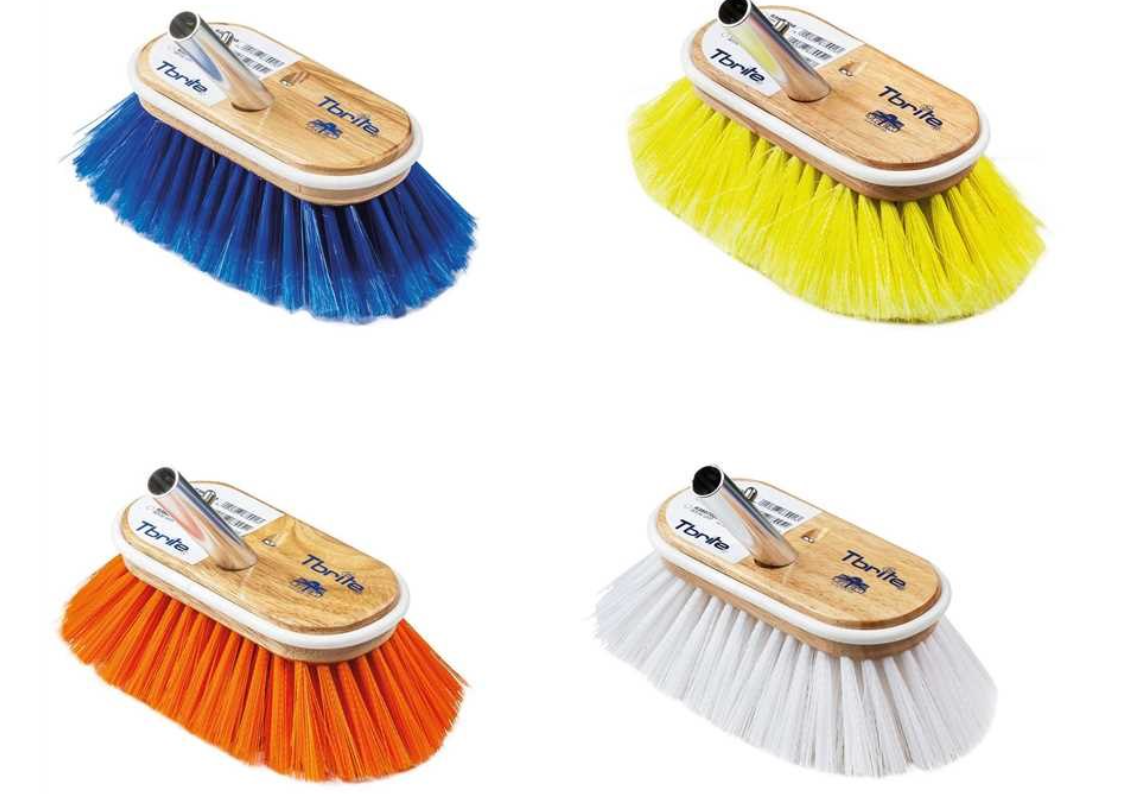
High Quality Brushes and Mops : Multi-purpose heads with soft or hard bristles to suit all surfaces, from deck to deck.
Microfiber Towels and Cloths : Ultra-absorbent and scratch-resistant materials for gentle cleaning and quick drying without leaving streaks.
Accessories for Removing Stubborn Stains : Scrapers, abrasive sponges and specific pads to eliminate encrustations, salt and difficult stains without damaging the materials.
-


-


-

-

-

-

-

-


-


T-brite
T-Brite Telescopic Push-Button Brush with Aluminum Head, 140/250cm
€29,99Unit price /Unavailable -


-


-


-


-


-


-

-


-


-

-


-


-


-

-


MAINTENANCE AND REPAIR PRODUCTS
Resins, pipes and much more to satisfy every nautical need and every owner, from the most experienced sea dogs to the novices in the field


How important is it to clean the boat?
A clean boat is not just a matter of style.
Regular boat cleaning also ensures greater safety and preserves the value of the vessel .
Furthermore, a clean and well-maintained boat is more efficient and therefore faster on the water.
Above all, however, it is much more comfortable to sail and move on a clean boat after a good wash.

How often can you clean a boat?
If you leave your boat still dirty on Sunday evening after the weekend, you will certainly be even less inclined to clean the boat the following Friday.
Rinsing after sailing is especially important on the coast : if salt water dries on the deck, hard salt crystals form.
These act like sandpaper on painted and polished surfaces.
Sea salt also accelerates the corrosion of metals and the aging process of some plastics.

7 Stages of Cleaning
1) BILGE CLEANING
Condensation forms quickly under floorboards and promotes mold growth. Regular cleaning of the boat's bilge is therefore important. To minimize humidity, it's helpful to raise some floorboards during extended periods of absence to allow air to circulate. The drier the bilge, the lower the risk of mold.
Stubborn stains can also be removed with a special bilge cleaner. If oil or fuel accidentally spills in the bilge, bilge cleaners bind residue and prevent diesel odors from settling onboard. To keep the bilge generally clean, simply wipe away dirt regularly with a damp cloth.
2) COVERED CLEANING
Water and a mild deck brush are the best choices for a quick initial clean. But be careful: cleaning your boat with mains water is often regulated in ports. Under no circumstances should you use household cleaners or detergents to clean your boat's deck! You could be rightfully fined and have to pay to clean up the foam and pollution caused. Boat cleaners, on the other hand, are specifically formulated for use near water and are usually more effective than all-purpose cleaners, even in small doses.
3) CLEANING PORTHOLES AND HATCHES
It's important to be careful with skylights, portholes, and acrylic glass! They're usually made of plastic materials that are more or less scratch-resistant. On older boats, they're often less resistant than more modern materials. Generally, the same principle applies to cleaning acrylic as on deck: a brush or soft sponge and water remove dirt well. If this isn't enough, or you want to maintain the acrylic, you can use products and cleaners for Plexiglas and acrylic glass.
4) INTERIOR CLEANING
In addition to regular hull cleaning, the cabin also needs occasional cleaning. Inside, do the same as at home: dust, vacuum the corners, clean the windows, and care for the furniture. It's best to work from top to bottom, right down to the floorboards.
5) CLEANING THE WOOD
For painted wooden structures, the type of paint always determines the cleaning procedure. Two-component paints can generally be treated like plastic decks.
6) CLEANING METAL PARTS
Stainless steel can be cleaned with any boat cleaner. It should then be polished. However, if rust appears, it's advisable to clean it with a rust inhibitor or oxalic acid. You can intervene by replacing damaged metals or applying protective varnish. Especially in areas in contact with salt water, rust control must always be a priority and addressed quickly.
7) ELECTRONIC ON-BOARD CLEANING
It's also important to thoroughly clean the cockpit from time to time. Modern touch screens, in particular, tend to collect greasy fingerprints. Screen cleaners remove stains and make the surface more resistant to grease. It's then sufficient to use a microfiber cloth from time to time. For dirt between the buttons and switches, a cotton swab or even a sheet of paper is ideal for cleaning these spaces.